
-
Pest SolutionsPESTS + WEEDSUSING PESTICIDES OR HERBICIDES?

I should be a large image.
Jumping Worms
Amynthas agrestis + Amynthas tokioensis + Metaphire hilgendorfi
Updated Oct 29, 2026
Make a Positive Identification
- Jumping worms are non-native worms. There are three recognized species that are invasive in the US. They have recently been detected in Oregon.
- Their feeding habits damage soil structure. This increases erosion and harms plants growing in the soil.
- Jumping worms and their cocoons may be brought to new areas as fishing bait. They are also transported in soil, compost, and other organic materials.
Species:
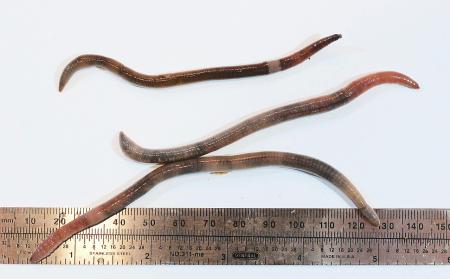
Njh5880, CC BY-SA 4.0, via Wikimedia Commons
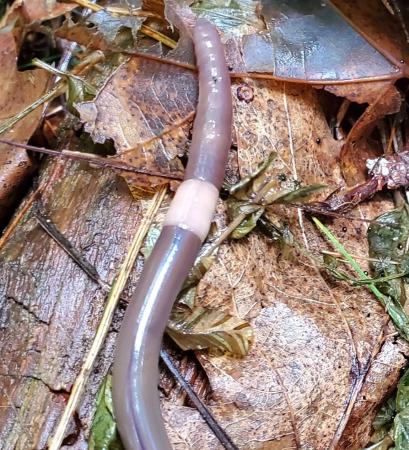
The first thing most people notice about jumping worms is that they thrash wildly and irregularly. They have a large and distinct mouth.
They are red/brown/purple with iridescence, and 2.75 to 6.3 inches (70-160 mm) long. Their bodies can have 63-100 segments.
Stiff bristles called “setae” encircle each segment.
Species:
"Amynthas agrestis" by Jasper Shide is licensed under CC0 1.0
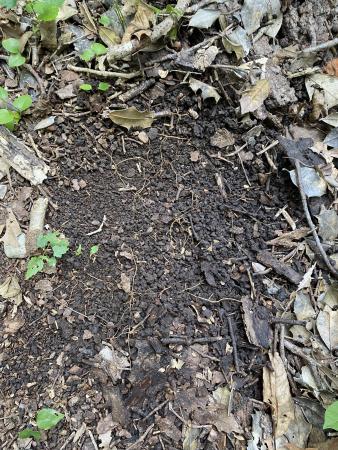
Jumping worm excrement accumulates in the top few inches of soil. It is hard and granular, resembling coffee grounds. The granules repel water. They make the soil very porous and unable to hold water and nutrients.
Species:
Marie Johnston, UW-Madison Arboretum, permission request needed
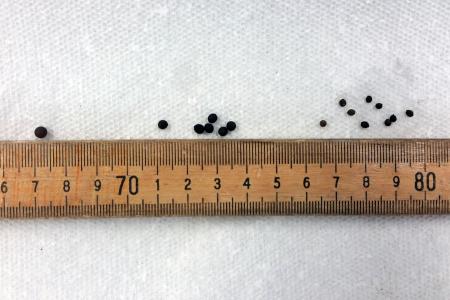
Cocoons are very tiny, 1/12 to 1/6 inches (2 to 4 mm) and similar in color to dirt. They overwinter, then hatch in spring. They can survive for several years and hatch during a wet spring. Cocoons can be transported in soil, mulch, mud on shoes, etc.
Look-alikes
Species: Common earthworm (Lumbricus terrestris)
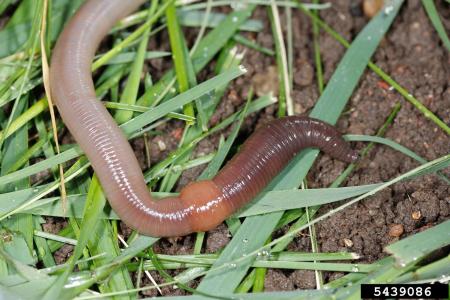
Joseph Berger, Bugwood.org
The common earthworm (Lumbricus terrestris) is red/brown. It is 7.8 to 11.8 inches (200-300 mm) long and does not thrash violently. The clitellum is raised, not flush, and does not completely encircle the body. It is similar in color to the rest of the body.
Species:
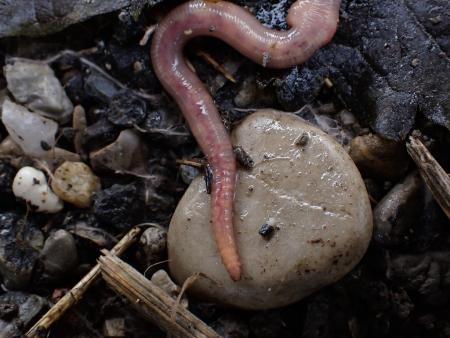
"Dendrobaena veneta" by carnifex is licensed under CC BY 4.0
The European nightcrawler (Dendrobaena veneta) is red/brown. It is 2 to 6 inches (50-155 mm) long and does not thrash violently. The clitellum is raised, not flush, and does not completely encircle the body. It is similar in color to the rest of the body.
Jumping Worms Benefits
Jumping worms are regarded as pests. They don’t have any benefit for people or the environment.
Jumping Worms Risks
Jumping Worms damage soil structure. Their feeding and excrement make soil granular and porous. Water moves through quickly and is not held. This can cause unwanted changes in the ecosystem.
Risk Card
Does it cause harm?
Adults & Children
None
Property
Some
Pets
None
Annoyance
Low
Environment
High
Action Recommended
TAKE ACTION
Jumping worms are already a serious problem in the east and midwest. They are now showing up in Oregon. Watch for them in soil.
What damage do jumping worms cause?
Jumping worms are a serious invasive pest and could damage Oregon ecosystems if allowed to spread.
Do I need to take action?
Yes. Jumping worms can spread rapidly. Their damage is quickly visible in gardens and they can spread from there.
Prevent Jumping Worms
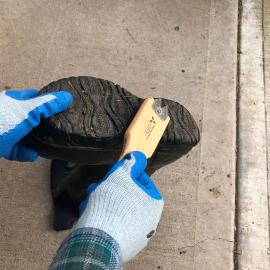
Weston Miller, Oregon State University
DON’T TRANSPORT THEM ON CLOTHES AND EQUIPMENT
- Jumping worm cocoons are very tiny. People can unknowingly spread them in soil and on equipment.
- Clean compost, soil and debris from clothing, boot treads, and gardening tools before moving to and from sites.
- Clean equipment and tires between locations. Watch for large clumps of dirt caught in tire treads.
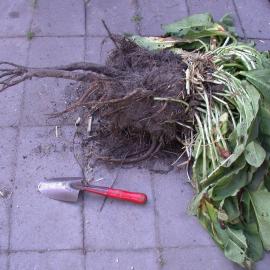
"Comfrey 'Bocking 14' uprooted - 8423" by graibeard is licensed under CC BY-SA 2.0
DON’T TRANSPORT THEM IN SOIL OR PLANT ROOTS
Jumping worms and cocoons may be spread in the soil and roots of plants.
- Where jumping worms are known to occur, avoid sharing compost, mulch, soil, or plants.
- Buy bare-root plants when possible.
- Inspect plant soil, compost, mulch, and loose soil before moving them into or out of your yard.
- If you do share plants, first wash the roots free of all soil. Strain out the soil (and possible cocoons) and dispose in the trash.
- Re-pot in new sterile potting mix, or plant bare-root.

"Live Bait" by nic_r is licensed under CC BY-SA 2.0
DON’T BUY THEM AS BAIT
- Never buy fishing bait under the name Jumping Worm, Asian Jumping Worm, Crazy Worms, Alabama Jumpers, or Snake Worms.
- Inspect strongly thrashing worms sold as bait. They could be jumping worms.
- Seal all fishing bait as tightly as possible
- Seal unused fishing bait and dispose of it in the trash.
- Don’t discard bait worms in or near natural areas.
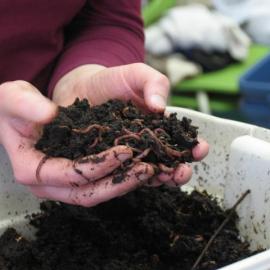
"February 27, 2006 - Vermicomposting Workshop" by Craik Sustainable Living Project is licensed under CC BY-NC-SA 2.0
DON’T CONFUSE THEM WITH EARTHWORMS
- Earthworms bought for vermicomposting, gardening, or bait may be mislabeled jumping worms.
- Learn to tell jumping worms from common earthworms and other lookalikes.
Solutions for Jumping Worms
Solutions for jumping worms
Currently there are no proven, researched-based ways to manage jumping worm populations. Research is ongoing. Non-chemical methods which may have limited success include:
- Early Detection & Hand-picking
- Soil heating or solarizing
- Tilling
Chemical methods
- There are no pesticides approved for worm control in yards and gardens.
NEED HELP?
Consider a licensed pest control company. Learn How to Hire a Pest Control Company.
Your local Extension Specialist in Oregon and other states can suggest other methods.
Jump to
| Method | Does it work? | Is it safe? | Recommendation |
|---|---|---|---|
A Non-chemical methods |
Somewhat effective |
Low risk |
Recommended |
A
Non-chemical methods
Non-Chemical Method
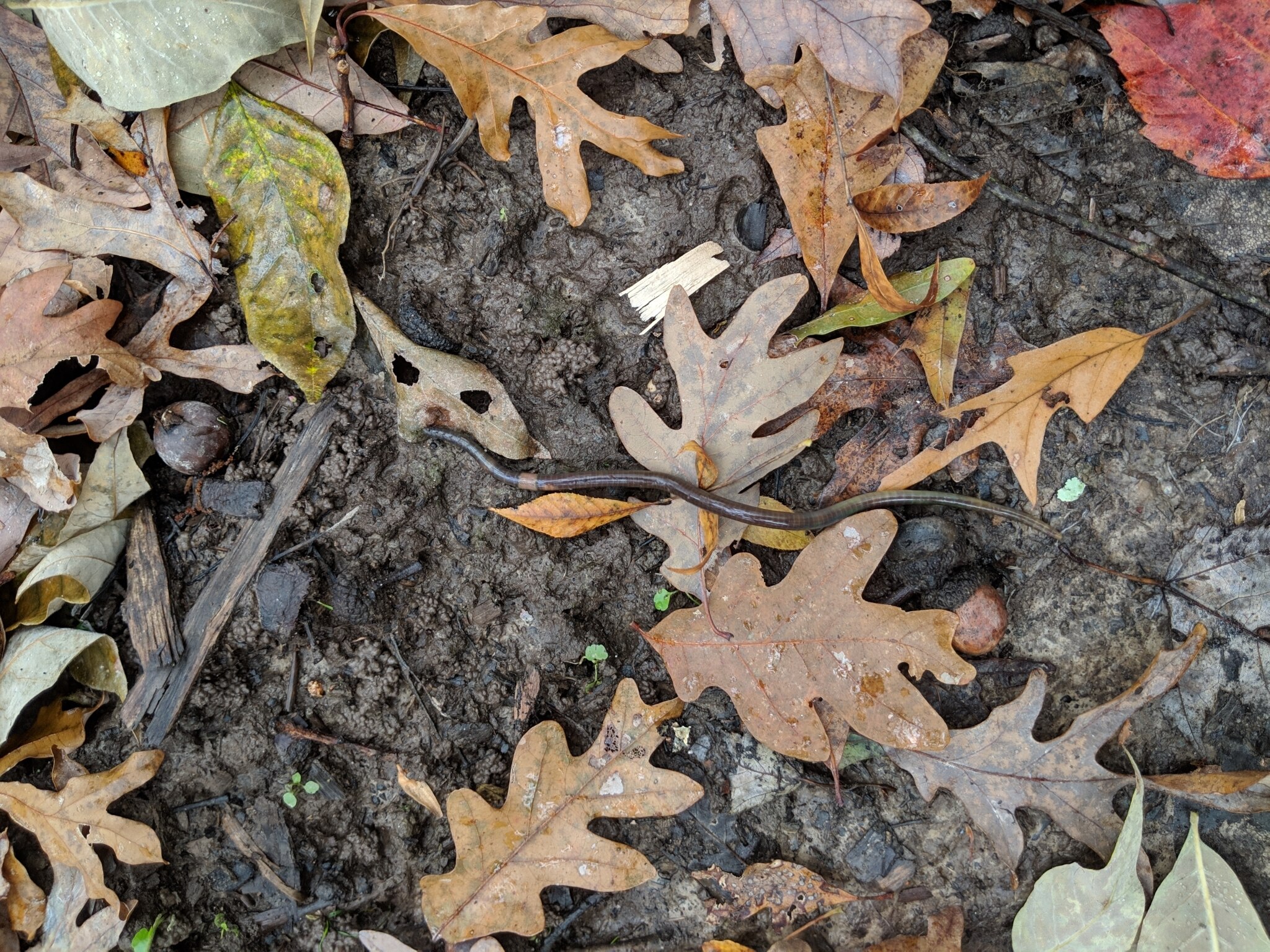
"Amynthas agrestis 27540215" by John Abrams is licensed under CC BY 4.0
Non-chemical methods
Recommended
| Does it work? | Somewhat effective These methods will not kill all jumping worms if there is a large population. If you catch them before they spread, you may be able to stop them. |
| How much effort? | Moderate effort |
| What's the risk? | Low risk |
| Possible risk of exposure or harm from chemicals | NONE |
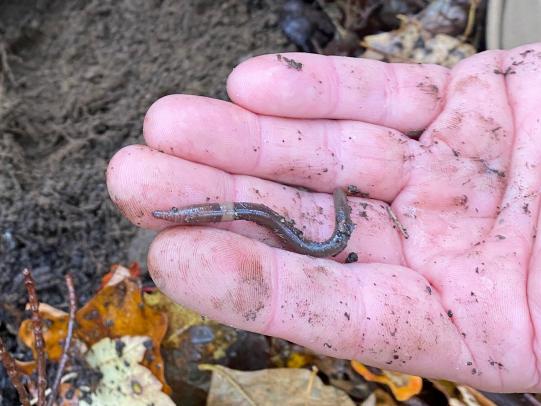
"Rustic Jumping Worm (Amynthas agrestis)" by kpmcfarland is licensed under CC0 1.0 Universal
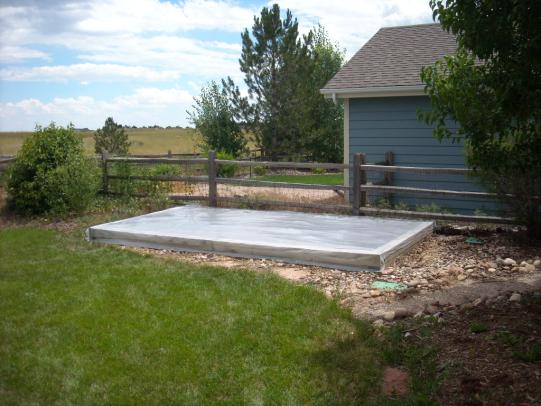
"Soil Solarization" by “FelixWong” is licensed under “CC BY 4.0”
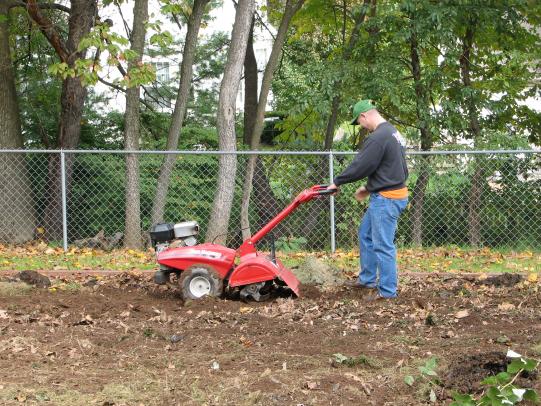
"Don Winterizing Garden" by dedrawolff is licensed under CC BY 2.0
Invasive Species Alert
- Invasives are non-native species that spread aggressively and alter the environment.
- Learn about jumping worms in Oregon. See Stopping the spread of jumping worms calls for vigilance
- If you think you’ve found jumping worms in Oregon, please report them to the Oregon Invasive Species Hotline at: 1-866-INVADER (1-866-468-2337) or use their online reporting form

Invasive species data @ 2022, iMapInvasives (NatureServe)
View Larger Map >
If you find signs of jumping worm anywhere in Oregon, please report it.
Content developed by Signe Danler (editor/writer) and reviewed by Thomas A. Jima.
Peer review facilitated by OSU Department of Horticulture.


Jumping Worms: A guide to identifying a new invasive species in the PNW
Portland State University, Sea Grant Extension, Oregon State University
“Jumping Worm” – Amynthas spp. (pdf)
UW–Madison Arboretum
Comparison of Potential Ecosystem Impacts: Absence & Presence of the Asian Jumping Worm (Amynthas spp.) (pdf)
Sea Grant Extension, Oregon State University, Oregon Dept. of Agriculture
Invasive Species for Homeowners: Asian Jumping Worms (pdf)
Jumping Worm Outreach, Research, & Management Working Group
Invasive Jumping Worm Frequently Asked Questions
UMass Extension Landscape, Nursery and Urban Forestry Program
Resources to report a sighting in the PNW
Oregon: https://oregoninvasiveshotline.org/reports/create
Washington: https://invasivespecies.wa.gov/report-a-sighting/