
-
Pest SolutionsPESTS + WEEDSUSING PESTICIDES OR HERBICIDES?

I should be a large image.
Insects in Fabrics and Carpets
Several species
Updated Jun 12, 2026
Make a Positive Identification
There are several kinds of insects that may infest clothing, carpets and other natural materials. Control methods vary.
Carpet and Hide Beetles
Species: Carpet beetle
Daniel R. Suiter, University of Georgia, Bugwood.org
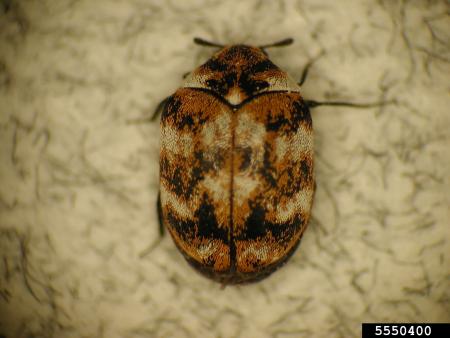
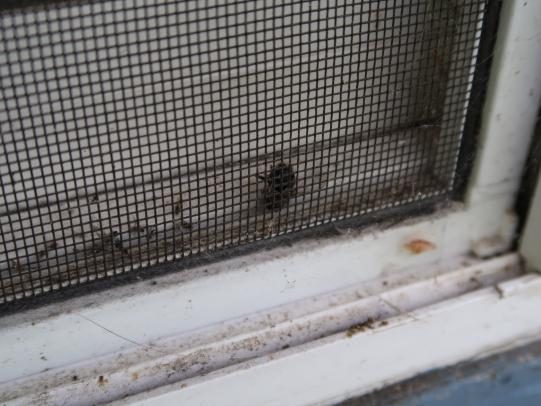
Varied carpet beetles and hide beetles are similar species of dermestid beetle. They are very common. Both are about 1/10-inch long as adults. Carpet beetle adults are mottled white, brown, and dark yellow. Adult carpet beetles do not feed on fabrics. They eat pollen and nectar and are often found outdoors. Indoors they may be found around windows. They are attracted to lights at night. Dead insects between the glass and screen can also be a food source.
Hide beetles are brown or black. The larvae are specifically a pest of hides and skins.
Species: Carpet beetle
Gary Alpert, Harvard University, Bugwood.org
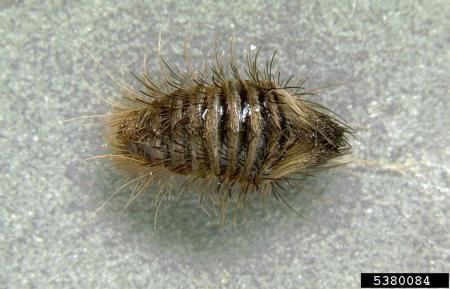
Tiny carpet beetle larvae grow to slightly longer than adults when they are almost mature. They are covered with tufts of hair. They may be spotted crawling on walls.
Species: Carpet beetle
Clemson University - USDA Cooperative Extension Slide Series, Bugwood.org
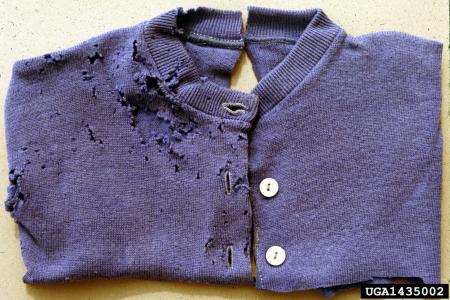
Carpet beetle larvae feed on wool carpets and rugs, fabrics, wool felt pads in pianos, and upholstered furniture. The feed on other natural fabrics too, like silk, linen and cotton. They damage furs, animal skins, feathers, dried plant products, leather book bindings and other natural materials.
Silverfish and Firebrats
Species: Silverfish
Joseph Berger, Bugwood.org
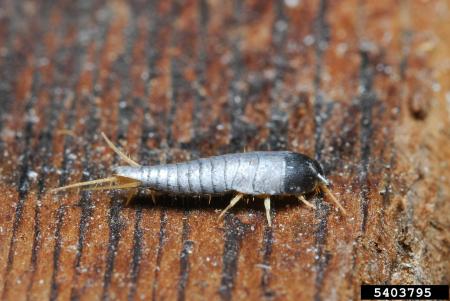
Silverfish and firebrats are slender, wingless insects. They have three long bristles (cerci) at their tail end. In homes, they are found in places where books, clothing, starch, or dry foods are available.
Silverfish are shiny, silver or pearl gray. Adults are 1/2 to 3/4 inches long. They like locations with high humidity and temperatures of 71° to 90° F. These include bookcases, laundry rooms, basements and closets.
Species: Firebrat
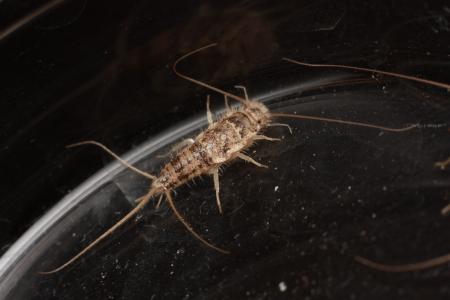
"update to Firefish 2.0" by Sean McCann (ibycter.com) is licensed under CC BY-NC-SA 2.0
Firebrats are shiny, a mottled gray or brown, and about 1/2 inch long. They like temperatures above 90° F. They are found in places like ovens, fireplaces, hot water pipes and furnaces.
Both silverfish and firebrats are extremely fast runners. They are hard to catch.
Species: Silverfish
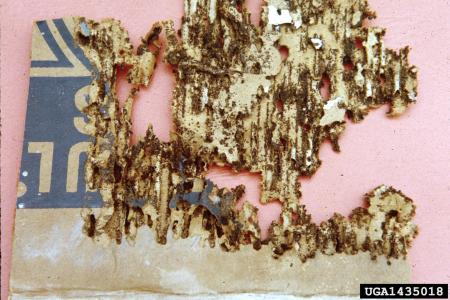
Clemson University - USDA Cooperative Extension Slide Series, Bugwood.org
Silverfish and firebrats hide during the day and feed at night. They eat starchy things like paper with natural glue or paste, sizing in paper including wallpaper, book bindings and starched clothing. They also eat starchy foods including cereals, flour, pasta and pet food. A few silverfish usually do not pose a serious problem. If many are present, though, it is a good idea to find what they are eating.
Clothes Moths
Species: Clothes moth
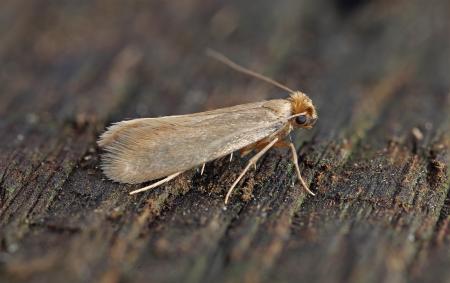
"12.026 BF236 Common Clothes Moth, Tineola bisselliella" by Patrick Clement. is licensed under CC BY 2.0
Adult clothes moths may be spotted fluttering around closets or furniture. They are gold or tan, and about 1/4 -1/3 inch (7-8mm) long. See Clothes Moth page for more detailed information. They may be confused with Indian meal moths. See Insects in Stored Food
Species: Clothes moth larvae
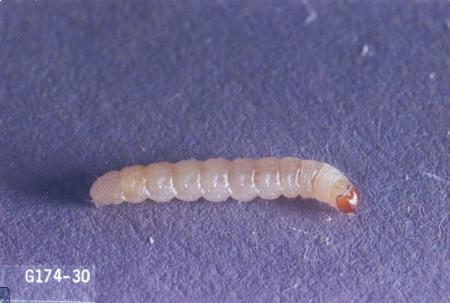
"Tinea pellionella (Casemaking clothes moth)" by Ken Gay is licensed under CC-BY Attribution 4.0 International
Clothes moth larvae are worm-like white or cream-colored caterpillars with dark heads. They are up to 1/2 inch long. They damage natural fabrics like silk and cotton. They also damage animal materials including wool, fur, hides, hair and feathers. They are especially attracted to fabrics with sweat, food or urine stains.
Damage occurs in dark, hidden areas. You might not notice an infestation until after the damage has occurred. Closely examine items to spot silken webs the larvae have spun.
See Clothes Moth page for more detailed information.
Species: Clothes moth
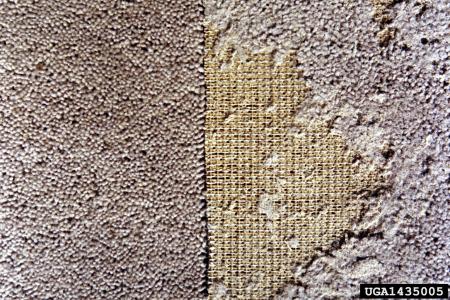
Clemson University - USDA Cooperative Extension Slide Series, Bugwood.org
Larvae feed on wool fabrics, carpets, rugs, and wool felt pads in pianos. Also upholstered furniture, furs, animal bristles in brushes and other natural materials. Damage may be hidden beneath collars or cuffs of clothing. It may be in crevices of upholstered furniture and in carpeted areas beneath furniture.
See Clothes Moth page for more detailed information.
Other Pests That May Damage Fabric and Carpets
Species: Cockroaches
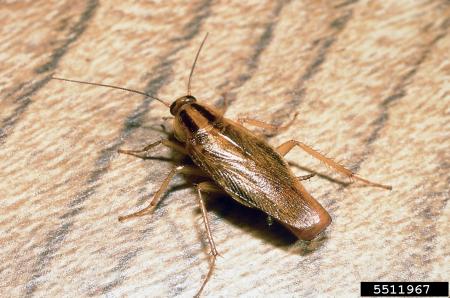
Kansas Department of Agriculture, Bugwood.org
Several species of cockroach may be found in American homes. They prefer warm, moist places like kitchens and bathrooms. They may spread to other areas of the home. They feed anywhere there is food, including pet food. They don't prefer to eat fabrics or carpets, but they may eat food stains on those materials.
German cockroach (Blattella germanica) is the most common inside homes.
Species: Crickets
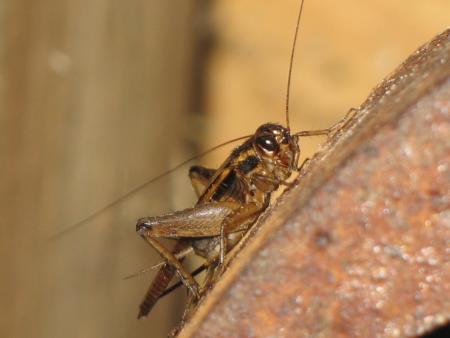
"House Cricket" by Larah McElroy is licensed under CC BY-NC 2.0
Crickets are not a major household pest. They sometimes damage natural and synthetic fabrics, and other household items. These include plastic, leather, fur, carpet, upholstered furniture and stored food. They are attracted to sweat-stained clothing.
Species: Termites
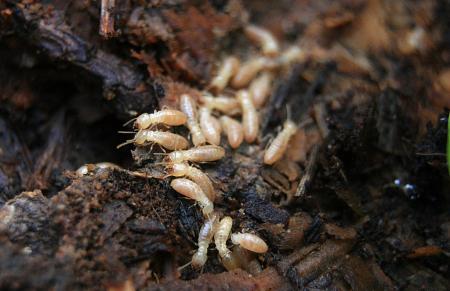
"Pacific dampwood termite" by TJ Gehling is licensed under CC BY-NC-ND 2.0.
Termites feed on almost anything containing cellulose. This includes structural wood, paper products, cardboard boxes, carpet and more.
See How to Get Rid of Dampwood & Subterranean Termites for more information.
Insects in Fabrics and Carpets Benefits
- Adult carpet beetles are pollinators, feeding on pollen and nectar. The larvae feed on fur and hides like roadkill animals. This is an important service, since pathogens can grow in rotting carcasses.
- Cockroaches and crickets are important food sources for birds and small animals. Large numbers of termites are also food sources during their mating flights.
Insects in Fabrics and Carpets Risks
- Insects in fabrics and carpets cause damage to clothing, upholstered furniture, carpets and other household items.
- Generally they are minor pests, especially where possible food items are properly stored.
- A large infestation can cause serious damage.
Risk Card
Does it cause harm?
Adults & Children
None
Property
Some
Pets
None
Annoyance
Some
Environment
None
Action Optional
Take Action?
A single carpet beetle or silverfish doesn't indicate a large infestation. If you see them, it is a good time to investigate. Note if they are in one location or many. Look at wool clothing and place a trap to see if there is an infestation. Take action to deal with active infestations in fabrics or carpets. The sooner you take action, the easier the problem will be to address.
Do I need to take action?
- Fabric and carpet pests damage clothing, carpets and other natural items. You can ignore the damage, or take action.
- Avoid bringing fabric and carpet pests into your home. Be watchful when traveling, or when bringing used furniture or clothing into your home. Use preventive measures for best results.
What if I do nothing?
Fabric and carpet pests won’t go away on their own. Their populations will grow increasingly fast. They will ruin more materials if you don’t take action.
Prevent Fabric and Carpet pests

"20070301 - Stack of Papers" by crab68 is licensed under CC BY-NC-ND 2.0
Monitoring
- Regularly check carpet, fabrics and stacks of paper or books for insects.
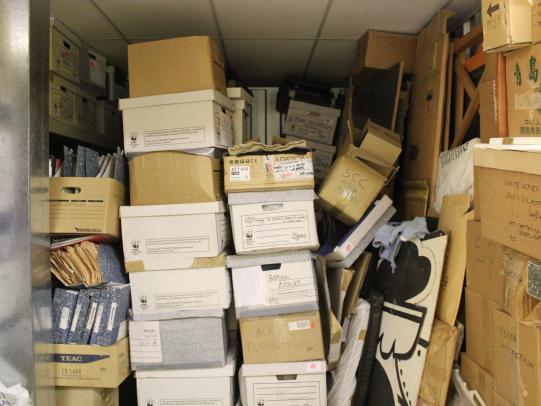
- Check items that have been in storage, like appliances, furniture and boxes.
- Keep your eyes open. Carpet beetle larvae may be seen crawling on walls. Silverfish run quickly when disturbed. Small clothes moths may flutter around closets or furniture. Cockroach egg cases may be glued behind or beneath furniture or appliances. If you see them, search for more.
- Take action when infestations are still small.
sonmez, iStock
Inspect and Clean Used Items
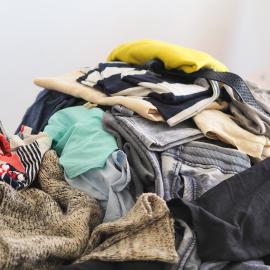
- Used clothes, rugs and furniture containing animal or plant fibers may be infested. Inspect them before bringing them into the home.
- Insects can be hard to spot in some fabrics. Hold clothing like wool sweaters and coats up to a light source. Look for small holes with irregular edges.
- Wash or dry clean used clothing or carpets right away, before you store or wear them.
- Check items that have been in storage, like appliances, furniture and boxes.
Signe Danler, Oregon State University
Airtight Storage
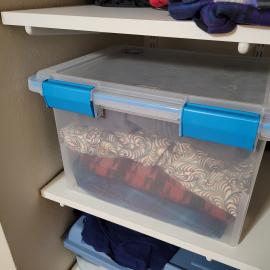
- Store woolens, furs, dry food and other vulnerable items in insect-proof containers.
- Wash or dry clean rugs and fabrics before placing in sealed storage.
- Keep storage areas clean of lint, dust and pet hair.
Signe Danler, Oregon State University
Exclusion: Keep pest insects from entering your house
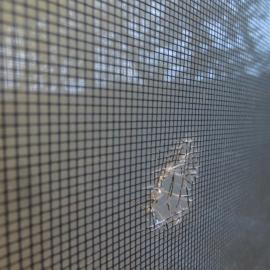
- Exclude adult carpet beetles that enter through windows. Install screens and repair holes.
- Seal cracks and other openings to the outside.
- Use door sweeps and weather stripping on doors and windows.
- Patch holes or spaces around pipes and conduits.
Solutions for Insects in Fabrics and Carpets
Monitoring
- Inspect used or stored items being brought into the home.
- Inspect carpet, fabrics and stacks of paper or books for insects.
- Inspect cut flowers from outdoors for adult carpet beetles.
- Carpet and hide beetle larvae may be found crawling on walls. Silverfish run quickly when disturbed. Small clothes moths may flutter around closets or furniture. If you see them, search for more.
- Cockroach egg cases may be glued in hidden spots behind or beneath furniture.
Non-chemical Methods
- Thoroughly clean infested items and areas to kill larvae and adults.
- Freezing or heating can work for items that can't be cleaned.
Insecticides (Insect Killers)
- Several insecticides are available for home use. Read the label to know which materials and fabrics the pesticides can be used on.
- Heavy infestations may require hiring a Pest Control Professional.
NEED HELP?
Consider a licensed pest control company. Learn How to Hire a Pest Control Company.
Your local Extension Specialist in Oregon and other states can suggest other methods.
Jump to
| Method | Does it work? | Is it safe? | Recommendation |
|---|---|---|---|
A Cleaning |
Effective |
Low risk |
Recommended |
B Freezing or Heating |
Effective |
Low risk |
Recommended |
C Sticky and Pheromone Traps |
Somewhat effective |
Low risk |
Recommended |
D Control using Insecticides |
Effective |
Moderate risk |
Use if Necessary |
|
E If Using Insecticides, Protect Yourself & Minimize Risks
|
A
Cleaning
Non-Chemical Method
"home cleaning products and supplies" by franchiseopportunitiesphotos is licensed under CC BY-SA 2.0
Cleaning
Recommended
- If one item in a closet or drawer is infested, all items should be treated and cleaned. The container should be cleaned as well.
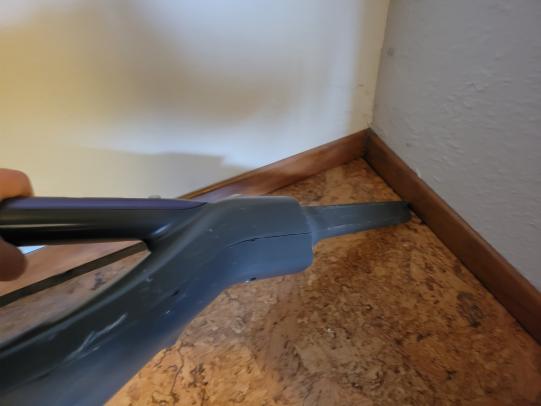
- Vacuum cracks and crevices to remove lint and debris, eggs and larvae.
- Remove items that provide hiding places.
- Wash or dry-clean infested carpets and fabrics.
- Freeze or heat small items.
- For cleaning large numbers of items, store fabrics in plastic containers or bags as they are processed. This will protect them from re-infestation.
- Keep basements, laundry rooms and other areas clean and dry.
| Does it work? | Effective |
| How much effort? | High effort |
| What's the risk? | Low risk |
| Possible risk of exposure or harm from chemicals | NONE |
Signe Danler, Oregon State University
(Stacks of boxes) by Platform London is licensed under CC BY 2.0 Deed
Signe Danler, Oregon State University
B
Freezing or Heating
Non-Chemical Method
Signe Danler, Oregon State University
Freezing or Heating
Recommended
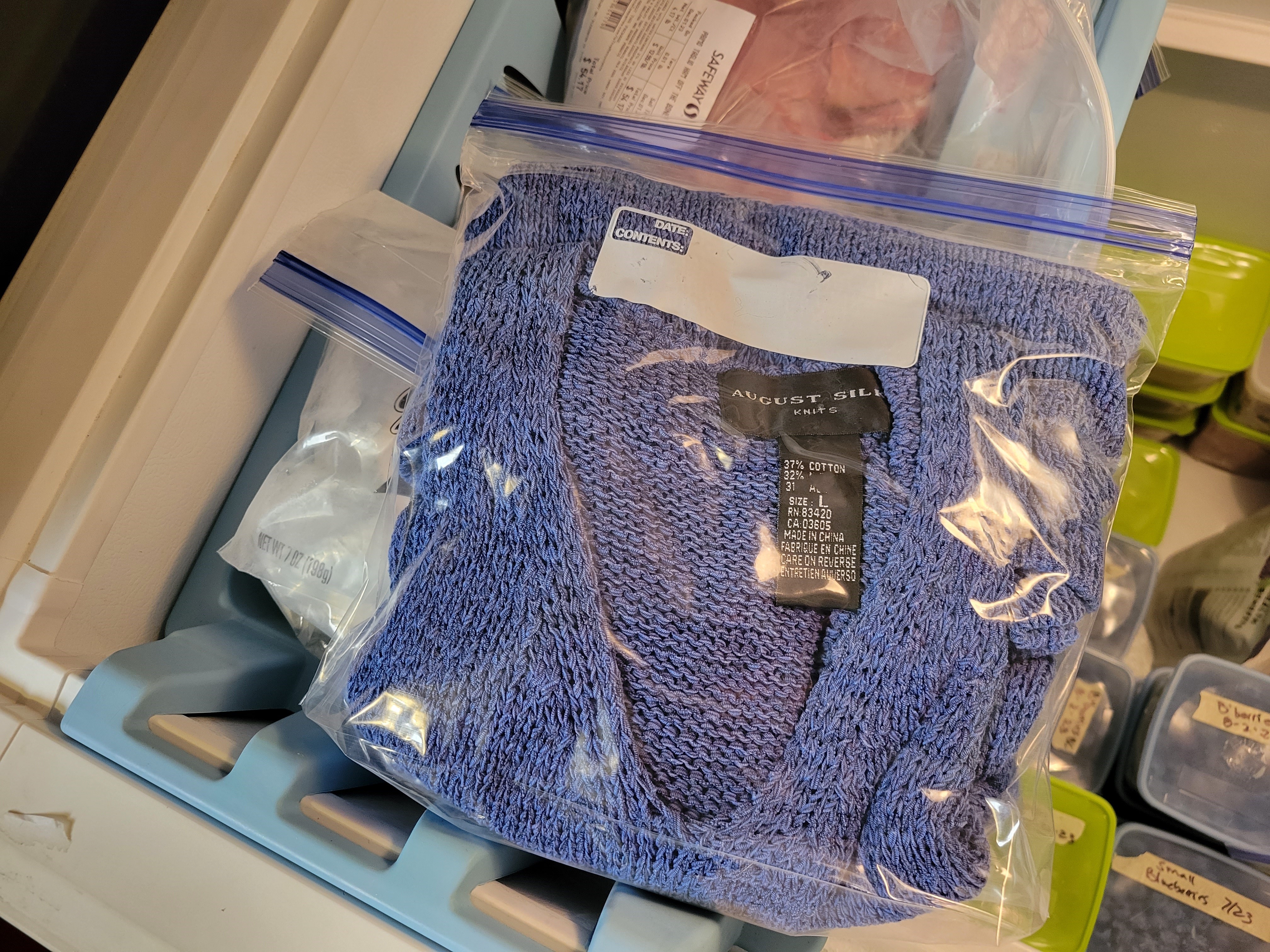
- Place small items in a zipper bag. Freeze them for two weeks to kill the insects.
- Or, put heat-resistant items in an oven for at least 30 minutes at 120° F.
| Does it work? | Effective |
| How much effort? | Moderate effort |
| What's the risk? | Low risk |
| Possible risk of exposure or harm from chemicals | NONE |
C
Sticky and Pheromone Traps
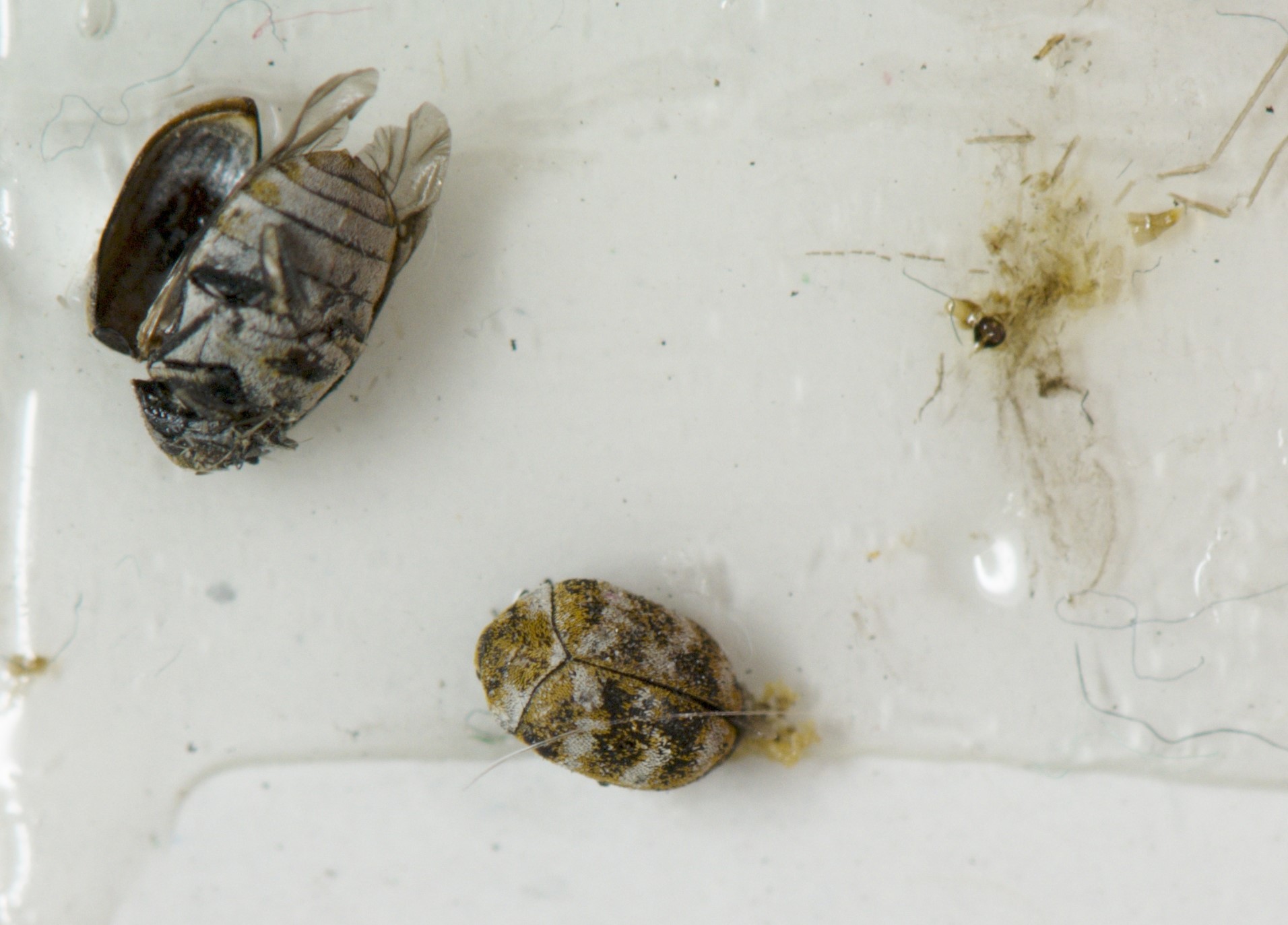
"File:Anthraenus Verbasci.jpg" by Staff of York Museums Trust is licensed under CC BY-SA 4.0 (cropped)
Sticky and Pheromone Traps
Recommended
Sticky traps can be used to detect and monitor infestations.
For carpet beetles
Place them on windowsills to trap adults that fly to windows. They are most useful for monitoring the success of other control measures. Sticky traps with pheromones can be used in confined areas. They attract adult male beetles. Use pheromone traps for the exact species causing your problems.
For silverfish and firebrats
Use cockroach sticky traps or make your own. Cover a small glass jar on the outside with masking tape. The insects climb up the tape, fall in, and can’t climb back up. Place the traps or jars on the floor in corners and along edges where silverfish travel.
| Does it work? | Somewhat effective |
| How much effort? | Low effort |
| What's the risk? | Low risk |
| Possible risk of exposure or harm from chemicals | NONE |
D
Control using Insecticides
Chemical Method: Use with caution
iStock
Control using Insecticides
Use if Necessary
| Does it work? | Effective Household insecticides can be effective. They won’t work well unless you also remove the moisture, food, and hiding places these pests use. |
| How much effort? | Moderate effort |
| What's the risk? | Moderate risk |
| Possible risk of exposure or harm from chemicals | Using insecticides includes some amount of risk. The lowest risk comes with using alternative methods.
You may be exposed to an insecticide if you:
Follow label directions to reduce risk. |
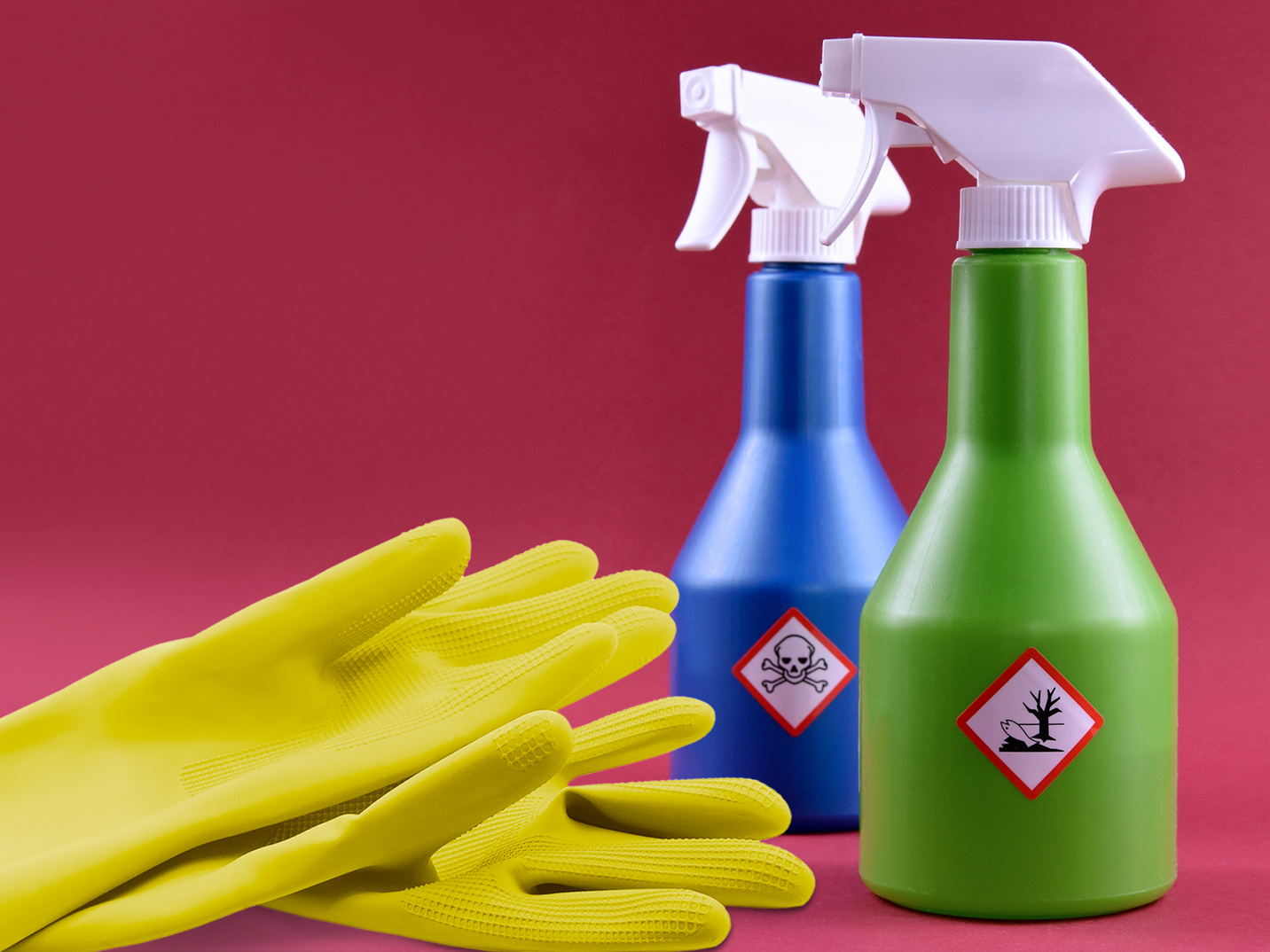
Some insecticides are available for home use. A few are listed below. These active ingredients are available alone or in products containing more than one. They are effective chemical treatments for fabric and carpet pests. Look for these chemical names in the “Active Ingredients” section of product labels.
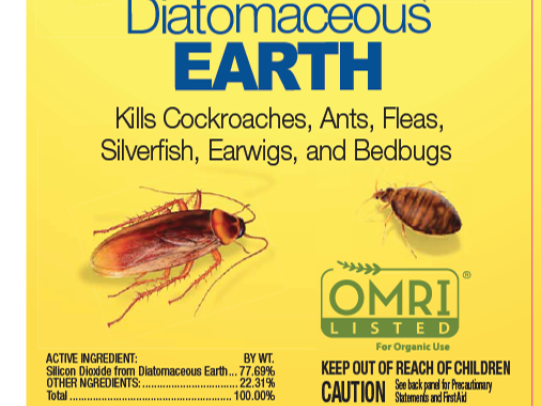
- Diatomaceous earth
- Clove and other natural oils
- Pyriproxifen (Nylar)
- Permethrins
SILVERFISH ONLY
- Boric acid
Suggested active ingredients are from the Pesticide Information Center Online (PICOL) Database. They are permitted for HOME use in Oregon. Read the label for application directions and effectiveness information, and to know which materials and fabrics the pesticides can be used on.
ONLY professional pesticide applicators can use Restricted-Use Pesticides (RUP) that may be more effective. If you need further support, contact a licensed pesticide applicator.
If Using Insecticides, Protect Yourself & Minimize Risks
Chemical Method: Use with Caution
"Sage and waterbottle" by ellentk is licensed under CC BY-NC-ND 2.0
Why Is It Important to Read Insecticide Labels?
- They have detailed information on how to use the product correctly and legally.
- They contain information on potential hazards of the product.
- They provide instructions you should follow for poisonings and spills.
Key Safety Tips for Insecticides
- Read the entire label front to back. Follow the instructions.
- Review the instructions even for brands you know.
- Only apply the product where the label says it may be applied.
The Label is the Law
ALWAYS read the label before using insecticide products. The label is a legal document that provides information on how to safely use the insecticide. It includes required personal protective gear and application methods. This helps avoid harm to human health and the environment. Using an insecticide in ways not listed on the label is illegal. It can result in legal enforcement actions.
READ THE LABEL & Follow Instructions
It has instructions to protect you and the environment.
- Labels are different for every product and they often change over time.
- Use a magnifying glass for small print.
- Pay attention to CAUTION, WARNING, and DANGER statements.
- Pay attention to the PRECAUTIONARY STATEMENTS.
- The law states you must read and follow insecticide instructions.
Protect Yourself
Eye, skin & lung irritants
- Wear the right protective gear. This often includes, but is not limited to: a long-sleeved shirt, pants, socks, closed shoes, safety glasses, and chemical-resistant gloves.
- Avoid contact with eyes, skin, or clothing.
- Wash hands after mixing or applying, and before eating or smoking.
Protect Children & Pets
Keep out of the reach of children.
- Keep children and pets away from the application area (read label for how long).
- Remove toys and pet dishes from the area before applying insecticides. Wait until spray has dried or dust has settled.
Storage & Disposal
- Store out of the reach of children and pets.
- Store in a cool and dry place.
- Never pour down any drain.
- If you mix too much, apply it according to the label rather than storing it.
- Don’t put pesticide containers in the trash unless instructed by the label.
- Take unused insecticides to a hazardous waste facility.
Call 1-800-CLEANUP (1-800-253-2687) to find out where to dispose of pesticides.
For the Portland metro region in Oregon, contact Metro’s Recycling Information. Call 503-234-3000, email or visit Metro’s website
More about:
About Using Pesticides on School Grounds in Oregon
If using pesticides on school grounds, there are special rules in Oregon. See School Integrated Pest Management (Oregon Department of Agriculture).
NEED HELP?
The National Pesticide Information Center (NPIC) can answer questions about pest control chemicals.
1-800-858-7378 or npic@ace.orst.edu
Consider using a licensed pest or weed control company. Learn How to Hire a Pest Control Company.
Your local Extension Specialist in Oregon and other states can suggest other methods.
Content developed by Signe Danler and reviewed by Thomas A. Jima. Pesticide safety information edited by Kaci Buhl.



INSECTS IN FABRICS AND CARPETS REFERENCES
Nuisance and household pests-Carpet beetle and hide beetle
PNW Pest Management Handbooks
How to Manage Pests of Homes, Structures, People, and Pets: Carpet Beetles
University of California IPM
Carpet Beetles:Integrated Pest Management in the Home
University of California Pest Notes #7436
Nuisance and household pests-Silverfish
PNW Pest Management Handbooks
Silverfish and Firebrats. WSU Extension Community Horticulture Fact Sheet #87
Washington State University Extension Service
How to Manage Pests of Homes, Structures, People, and Pets: Silverfish and Firebrats
University of California IPM
How to Manage Pests of Homes, Structures, People, and Pets: Cockroaches
University of California IPM